Leg pain, swelling, bulging veins, and persistent discomfort are easy to dismiss as signs of aging, overexertion, or spending too much time on your feet. However, these symptoms can sometimes indicate an underlying vein condition that requires medical attention.
Your veins play an essential role in your circulatory system, carrying blood back to your heart. When blood flow becomes restricted, vein valves stop functioning properly, or blood clots develop, the resulting complications can affect your comfort, mobility, and overall health.
At Memphis Vein Center in Memphis, Tennessee, Kishore Arcot, MD, FACC, FSCAI, FSVM, RPVI, provides specialized evaluation and treatment for a variety of venous conditions, including varicose veins, leg ulcers, May-Thurner syndrome, pelvic congestion syndrome, and deep vein thrombosis (DVT).
Understanding these conditions and recognizing their warning signs can help you take the first step toward healthier circulation.
1. Varicose Veins: More Than a Cosmetic Concern
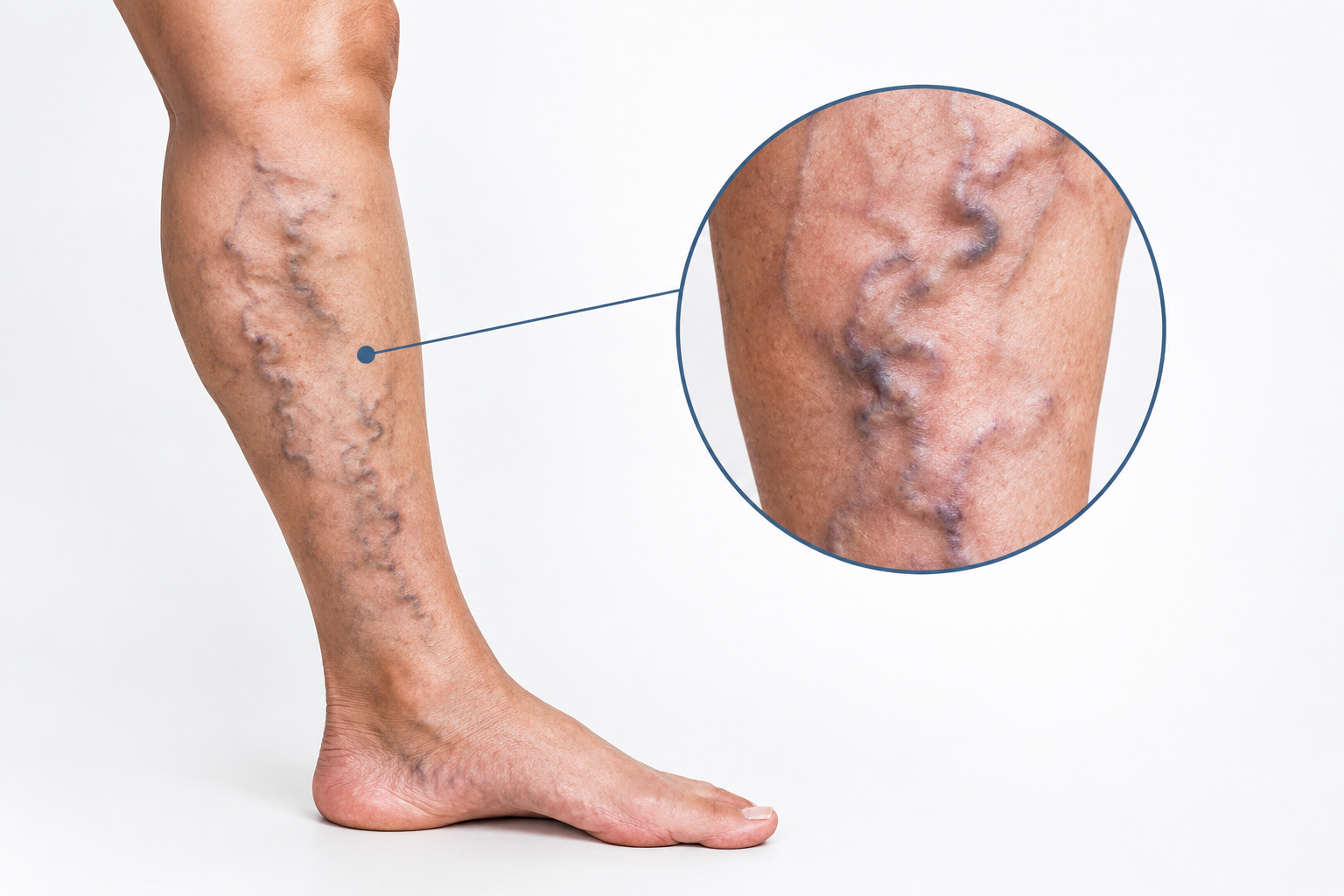
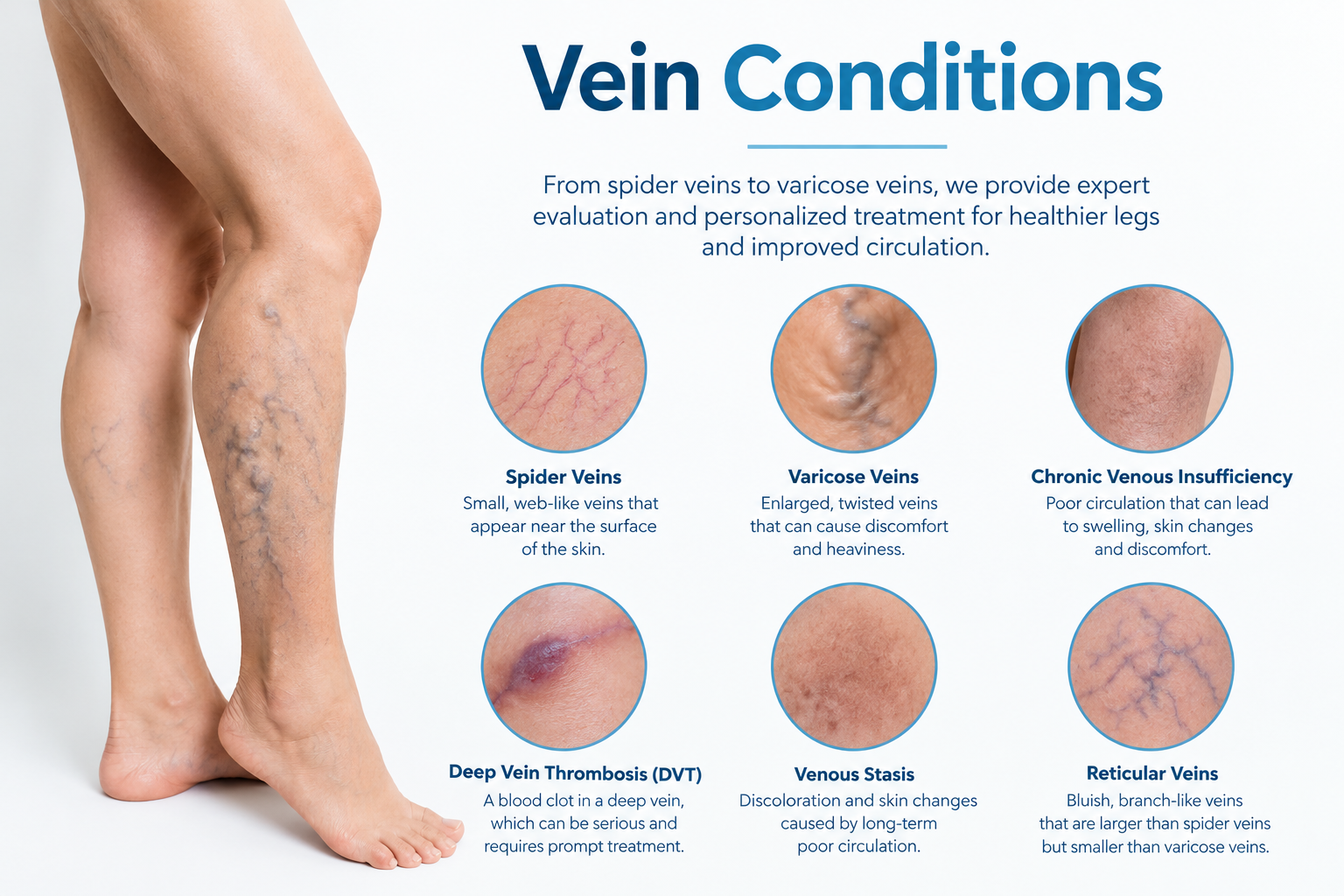
Varicose veins are enlarged, twisted, or bulging veins that typically develop in the legs. While they may initially appear to be a cosmetic issue, they can also indicate an underlying circulation problem.
What causes varicose veins?
Healthy veins contain one-way valves that help blood travel toward the heart. When these valves weaken or become damaged, blood can flow backward and collect in the veins, causing them to stretch and enlarge.
Common symptoms include:
- Visible blue or purple veins
- Aching, throbbing, or heavy legs
- Swelling around the ankles
- Itching or burning sensations
- Leg cramps, particularly at night
- Discomfort after prolonged standing
Can varicose veins be treated without surgery?
Yes. Depending on the underlying condition, minimally invasive treatments such as endovenous ablation, sclerotherapy, or microphlebectomy may help relieve symptoms and improve the appearance of affected veins.
A comprehensive vein evaluation can determine which approach is most appropriate.
2. Leg Ulcers: When Poor Circulation Prevents Wounds From Healing
A wound on your lower leg that doesn’t seem to heal may be more than a simple skin problem.
Venous leg ulcers are open sores that commonly develop around the ankles due to prolonged pressure within the veins, often associated with chronic venous insufficiency.
When blood struggles to return to the heart, pressure can build in the lower legs and damage surrounding skin and tissue.
Warning signs of venous leg ulcers include:
- Open sores around the ankles or lower legs
- Persistent leg swelling
- Darkening or discoloration of the skin
- Itching, irritation, or thickened skin
- Fluid drainage from an affected area
- Wounds that heal slowly or repeatedly reopen
Why Won’t My Leg Ulcer Heal?
Venous ulcers can be difficult to heal when the underlying circulation problem remains untreated.
Treatment may involve appropriate wound care, compression therapy when safe, and procedures to address abnormal venous blood flow.
At Memphis Vein Center, Dr. Arcot can evaluate the circulation issues contributing to chronic leg wounds and recommend an individualized treatment approach.
A persistent or worsening leg wound should always be evaluated by a medical professional, particularly if you have diabetes or known circulation problems.
3. May-Thurner Syndrome: A Hidden Cause of Leg Swelling
Not all vein conditions are visible on the surface of the skin.
May-Thurner syndrome occurs when an artery in the pelvis compresses a nearby vein, most commonly the left common iliac vein. This compression can interfere with normal blood flow from the leg back toward the heart.
Some people have this anatomical compression without experiencing symptoms. Others develop significant circulation problems.
What Are the Symptoms of May-Thurner Syndrome?
Possible symptoms include:
- Persistent swelling in one leg, commonly the left
- Leg pain or heaviness
- Skin discoloration
- Varicose veins
- Chronic venous discomfort
- Deep vein thrombosis in some cases
Because these symptoms can resemble other vascular conditions, specialized testing may be needed to identify the underlying cause.
How Is May-Thurner Syndrome Treated?
Treatment depends on the severity of symptoms, the degree of venous obstruction, and whether blood clots are present.
Some patients may require monitoring or conservative management, while others may benefit from minimally invasive procedures such as venous stenting to improve blood flow.
A vascular specialist can help determine whether treatment is necessary.
4. Pelvic Congestion Syndrome: Understanding Chronic Pelvic Pain
Persistent pelvic pain can be frustrating, particularly when the cause isn’t immediately clear.
Pelvic congestion syndrome (PCS) is a condition associated with enlarged pelvic veins and abnormal venous blood flow. It is most commonly diagnosed in women and may contribute to chronic pelvic discomfort.
What Does Pelvic Congestion Syndrome Feel Like?
Symptoms may include:
- Dull, aching pain in the lower abdomen or pelvis
- Pelvic heaviness or pressure
- Pain that worsens after prolonged standing
- Discomfort during or after sexual intercourse
- Pain that becomes more noticeable later in the day
- Varicose veins around the pelvic region, buttocks, or upper thighs
Because chronic pelvic pain can have several causes, a thorough medical evaluation is essential.
Can Pelvic Congestion Syndrome Be Treated?
Yes. Treatment may include medication, symptom management, or minimally invasive vascular procedures in appropriately selected patients.
One potential option is pelvic vein embolization, a catheter-based procedure designed to close certain abnormal veins and redirect blood flow.
Dr. Arcot’s vascular expertise can help patients explore appropriate diagnostic and treatment options when a pelvic venous disorder is suspected.
5. Deep Vein Thrombosis (DVT): A Potentially Serious Blood Clot
Unlike some vein conditions that develop gradually, deep vein thrombosis (DVT) can become a medical emergency.
DVT occurs when a blood clot forms in a deep vein, most commonly in the leg.
The primary concern is that part of the clot can break loose and travel to the lungs, causing a potentially life-threatening condition called a pulmonary embolism.
What Are the Warning Signs of DVT?
Symptoms may include:
- Sudden swelling in one leg
- Pain or tenderness in the calf or thigh
- Warmth around the affected area
- Redness or skin discoloration
- Unexplained leg discomfort
Some people with DVT experience no noticeable symptoms.
Who Is at Risk for Deep Vein Thrombosis?
Risk factors include prolonged immobility, recent surgery, hospitalization, certain medical conditions, pregnancy, estrogen-containing medications, and a personal or family history of blood clots.
How Is DVT Diagnosed and Treated?
A venous duplex ultrasound is commonly used to evaluate suspected blood clots.
Treatment often involves anticoagulant medications to prevent the clot from growing and reduce the risk of complications. Certain patients with extensive or severe DVT may require additional vascular interventions.
If you develop sudden, unexplained swelling or pain in one leg, seek urgent medical evaluation. If you experience sudden shortness of breath, chest pain, coughing up blood, or fainting, call 911 immediately.
How Do You Know If You Have Poor Circulation in Your Legs?
Many vein conditions share similar symptoms, which can make identifying the underlying problem difficult without medical testing.
Common signs of venous circulation problems include:
- Frequent leg swelling
- Aching or heavy legs
- Visible varicose veins
- Skin discoloration around the ankles
- Persistent itching or inflammation
- Slow-healing wounds
- Discomfort that worsens after standing
These symptoms can have several causes, including conditions unrelated to the veins.
A comprehensive vascular evaluation can help distinguish between venous insufficiency, blood clots, arterial circulation problems, and other medical conditions.
How Does a Vein Specialist Diagnose Vein Conditions?
At Memphis Vein Center, the diagnostic process begins with understanding your symptoms, medical history, and individual risk factors.
Depending on the suspected condition, diagnostic testing may include:
Venous Duplex Ultrasound: Uses sound waves to evaluate blood flow, identify venous reflux, and detect possible blood clots.
Vascular Imaging: Additional imaging may help identify vein compression, blockages, or abnormalities in the pelvic and lower-extremity veins.
Comprehensive Vascular Examination: A detailed assessment helps determine the most appropriate treatment plan.
An accurate diagnosis is essential because not all vein conditions require the same type of treatment.
When Should You See a Vein Specialist?
You don’t need to wait until symptoms become severe to seek professional guidance.
Consider scheduling an evaluation if you experience persistent leg swelling, painful varicose veins, chronic leg heaviness, recurring skin changes, slow-healing leg wounds, or unexplained pelvic discomfort.
For sudden symptoms suggestive of DVT, seek urgent medical attention rather than waiting for a routine appointment.
Early evaluation can help identify underlying vascular problems and reduce the risk of preventable complications.
Why Choose Dr. Kishore Arcot at Memphis Vein Center?
When dealing with a vascular condition, choosing a physician with extensive cardiovascular and vascular training is an important part of receiving appropriate care.
At Memphis Vein Center in Memphis, Tennessee, Dr. Kishore Arcot brings specialized expertise in cardiology, interventional cardiology, and vascular medicine to the evaluation and management of complex circulatory conditions.
His professional credentials include:
- MD: Doctor of Medicine
- FACC: Fellow of the American College of Cardiology
- FSCAI: Fellow of the Society for Cardiovascular Angiography and Interventions
- FSVM: Fellow of the Society for Vascular Medicine
- RPVI: Registered Physician in Vascular Interpretation
From common conditions like varicose veins to more complex venous disorders, Dr. Arcot emphasizes comprehensive evaluations, accurate diagnoses, and personalized treatment recommendations.
Patients seeking vein care in Memphis can benefit from his experience evaluating conditions that affect blood flow throughout the body.
Comprehensive Vein Care in Memphis, Tennessee
Vein disease isn’t always obvious, and symptoms such as leg swelling, pain, or heaviness shouldn’t automatically be dismissed as a normal part of aging.
Whether you’re dealing with painful varicose veins, a persistent leg ulcer, suspected May-Thurner syndrome, pelvic congestion syndrome, or concerns about venous circulation, understanding the underlying cause is the first step toward effective treatment.
At Memphis Vein Center, Dr. Kishore Arcot and his care team provide individualized vascular evaluations and treatment planning to help patients make informed decisions about their vein health.
Schedule an Appointment With a Vein Specialist in Memphis, TN
Your legs shouldn’t have to hurt every day.
If you’re experiencing persistent swelling, discomfort, bulging veins, or other symptoms of venous disease, don’t wait for the problem to interfere further with your quality of life.
Contact Memphis Vein Center in Memphis, Tennessee, to schedule a consultation with Dr. Kishore Arcot. Call the office or request an appointment online to learn more about your vein health and available treatment options.