

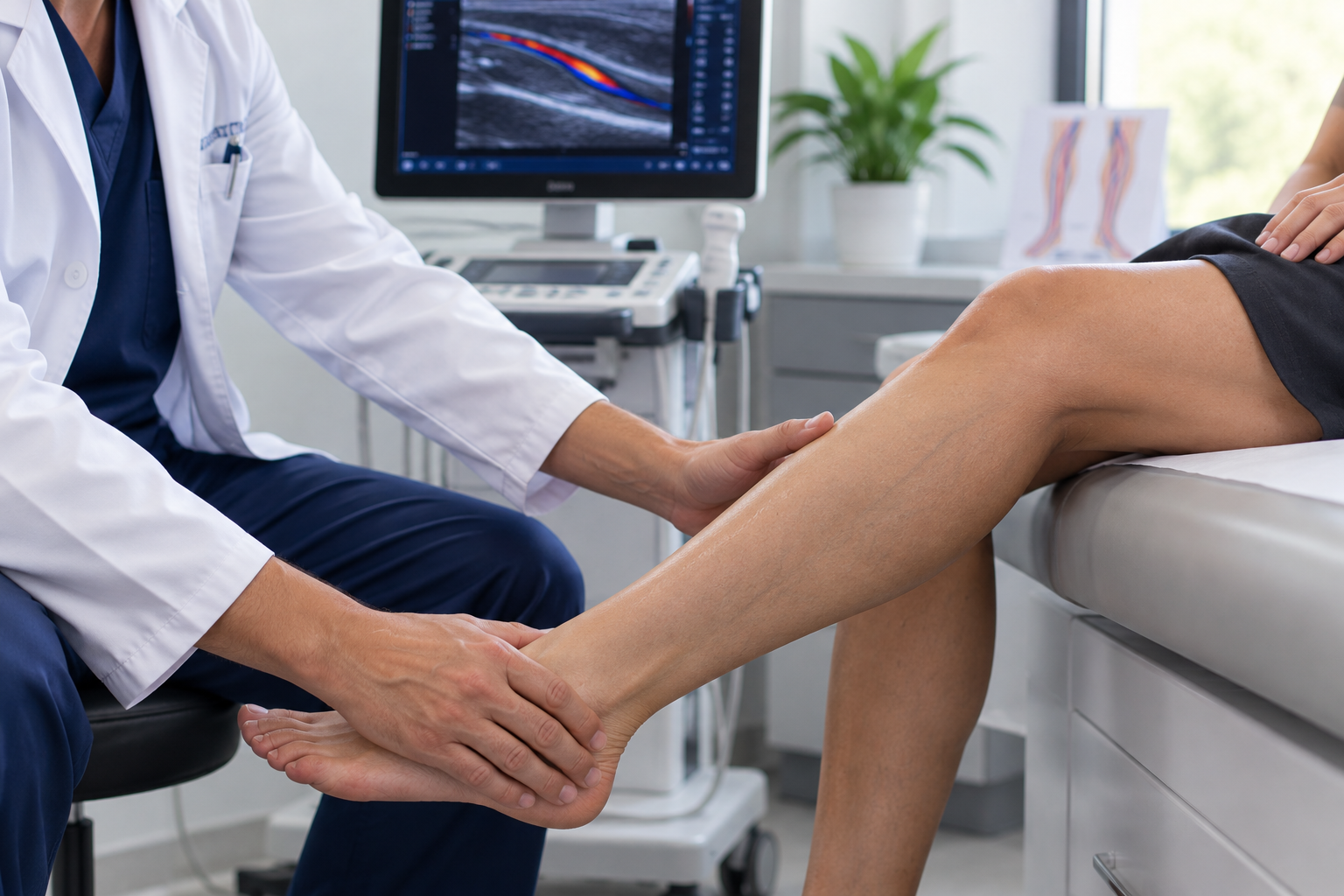
Limb salvage focuses on preserving a threatened arm or leg when poor blood flow, wounds, infection, or advanced vascular disease puts the limb at risk. It is particularly important for patients with advanced peripheral artery disease and chronic limb-threatening ischemia.
Treatment focuses on restoring circulation, supporting wound healing, and addressing the underlying vascular problem. Early evaluation by a vascular specialist can be an important part of protecting the affected limb.
The first step is a detailed evaluation of circulation, the wound, and the overall health of the limb. Imaging and vascular testing may be performed to identify blocked or narrowed arteries.
Depending on the findings, treatment may include endovascular procedures designed to improve blood flow. Wound care, infection management, diabetes management, and other supportive treatments may also be necessary. The treatment plan is individualized with the goal of preserving function and avoiding major amputation whenever medically possible.
Limb salvage refers to medical and vascular treatment aimed at preserving a threatened limb. It may be necessary when severe arterial disease limits blood flow to the foot or leg.
Non-healing wounds, rest pain, and tissue damage can be warning signs of advanced disease. Urgent vascular evaluation may be necessary when these symptoms occur.
Patients with advanced peripheral artery disease may be at increased risk of limb-threatening complications. People with diabetes and poor circulation can be particularly vulnerable to non-healing foot wounds.
Other risk factors and vascular conditions can also contribute. A vascular specialist can determine the severity of the circulation problem and treatment options.
Treatment depends on the cause and severity of the circulation problem. Options may include endovascular revascularization, wound care, infection treatment, and other vascular interventions. Some patients may require more than one type of treatment. The goal is to restore adequate blood flow and support healing whenever possible.
Severe loss of blood flow can prevent wounds from healing and may lead to tissue damage. Early evaluation can help identify whether the limb can be revascularized.
The Society for Vascular Surgery recommends early referral for patients with suspected chronic limb-threatening ischemia. Prompt treatment can be important for both limb preservation and overall health.
The goal of limb salvage treatment is to preserve the limb whenever medically possible. However, the outcome depends on the severity of circulation problems, infection, tissue damage, and other health factors.
Some advanced cases may still require amputation when the limb cannot be safely preserved. Your vascular specialist will explain your options after evaluating your condition.