Microphlebectomy

Microphlebectomy

Microphlebectomy is a minimally invasive procedure used to remove certain surface varicose veins. It is typically performed through very small skin openings rather than a large surgical incision.

The procedure can be useful for prominent veins that remain after treatment of an underlying refluxing vein. It may improve both the appearance of the vein and symptoms associated with the affected vessel.

How Does It Work?

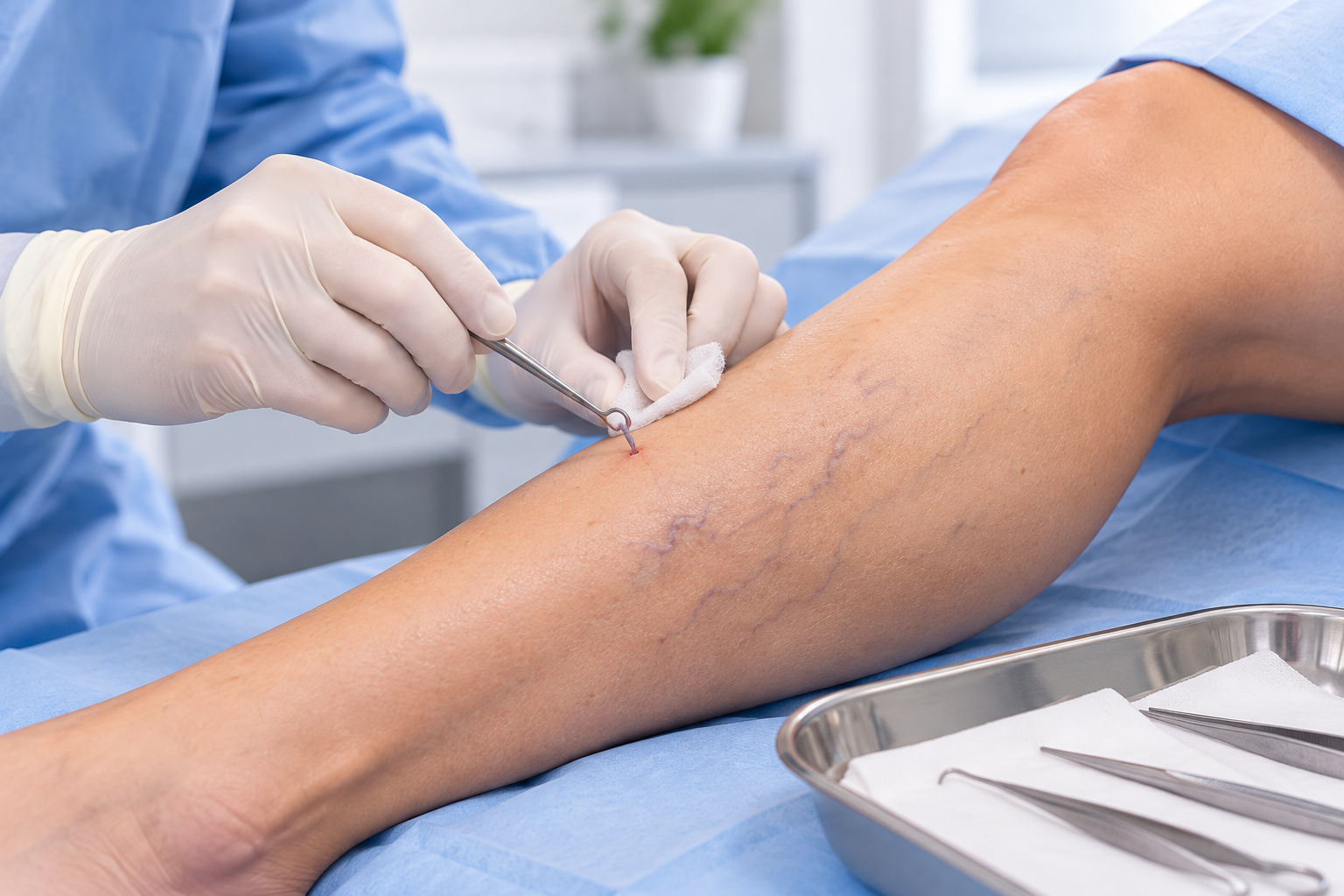
The provider identifies the varicose vein and numbs the treatment area with local anesthesia. Very small punctures are made near the targeted vein.

A specialized instrument is used to gently remove sections of the varicose vein through these openings. Because the openings are small, sutures may not be necessary. The blood that previously traveled through the removed vein is redirected through healthier veins.

Frequently Asked Questions

What is microphlebectomy used for?

Microphlebectomy is designed for certain varicose veins located near the surface of the skin. It can be particularly useful for larger visible veins that may not respond adequately to injections alone.

Your provider may combine it with another vein treatment when appropriate. Ultrasound and a clinical examination help determine the best approach.

Is microphlebectomy surgery?

It is a minimally invasive procedure, but unlike traditional vein stripping, it does not require a large incision. The vein is removed through tiny punctures made directly over the affected area.

Local anesthesia is commonly used. Your provider will explain the procedure and recovery instructions before treatment.

Will there be scars?

Because the procedure uses very small punctures, visible scarring is generally minimized. The appearance of the treated area can vary from person to person.

Small marks may initially be noticeable as the skin heals. Following your provider’s aftercare instructions can support proper healing.

How long is recovery?

Recovery is generally shorter than traditional surgical vein removal. You may be encouraged to walk soon after treatment.

Bruising, tenderness, or temporary swelling can occur during healing. Your provider will give you personalized instructions regarding exercise and other activities.

Can microphlebectomy be combined with other procedures?

Yes, it may be performed alongside other treatments when clinically appropriate. For example, an underlying refluxing vein may require ablation while visible surface veins are treated with microphlebectomy.

The combination depends on your ultrasound findings and vein anatomy. Your provider will recommend the treatment plan that best addresses the source and appearance of your varicose veins.