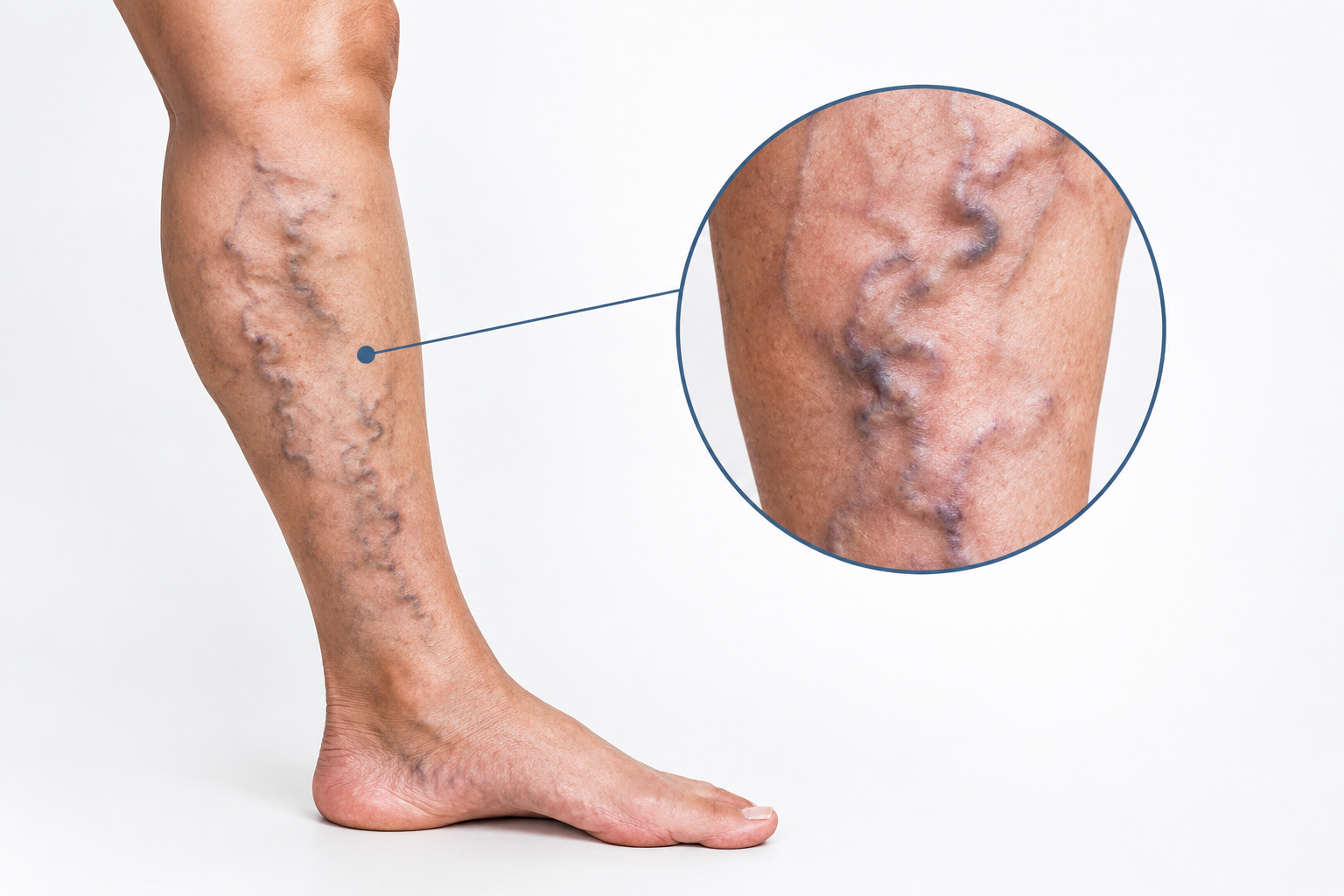
Are bulging, twisted veins on your legs causing discomfort, swelling, or making you feel self-conscious? Varicose veins are more than a cosmetic concern. For many people, they can cause persistent leg pain, heaviness, fatigue, and other symptoms that interfere with everyday activities.
The good news is that modern vein treatments can help relieve symptoms and improve the appearance of affected veins, often without traditional surgery or a lengthy recovery.
At Memphis Vein Center in Memphis, Tennessee, board-certified cardiologist Kishore Arcot, MD, FACC, FSCAI, FSVM, RPVI, provides comprehensive evaluations and personalized treatment options for patients experiencing varicose veins and other vein-related conditions.
Understanding what causes varicose veins, recognizing the warning signs, and knowing when to seek treatment are important first steps toward healthier legs.
What Are Varicose Veins?
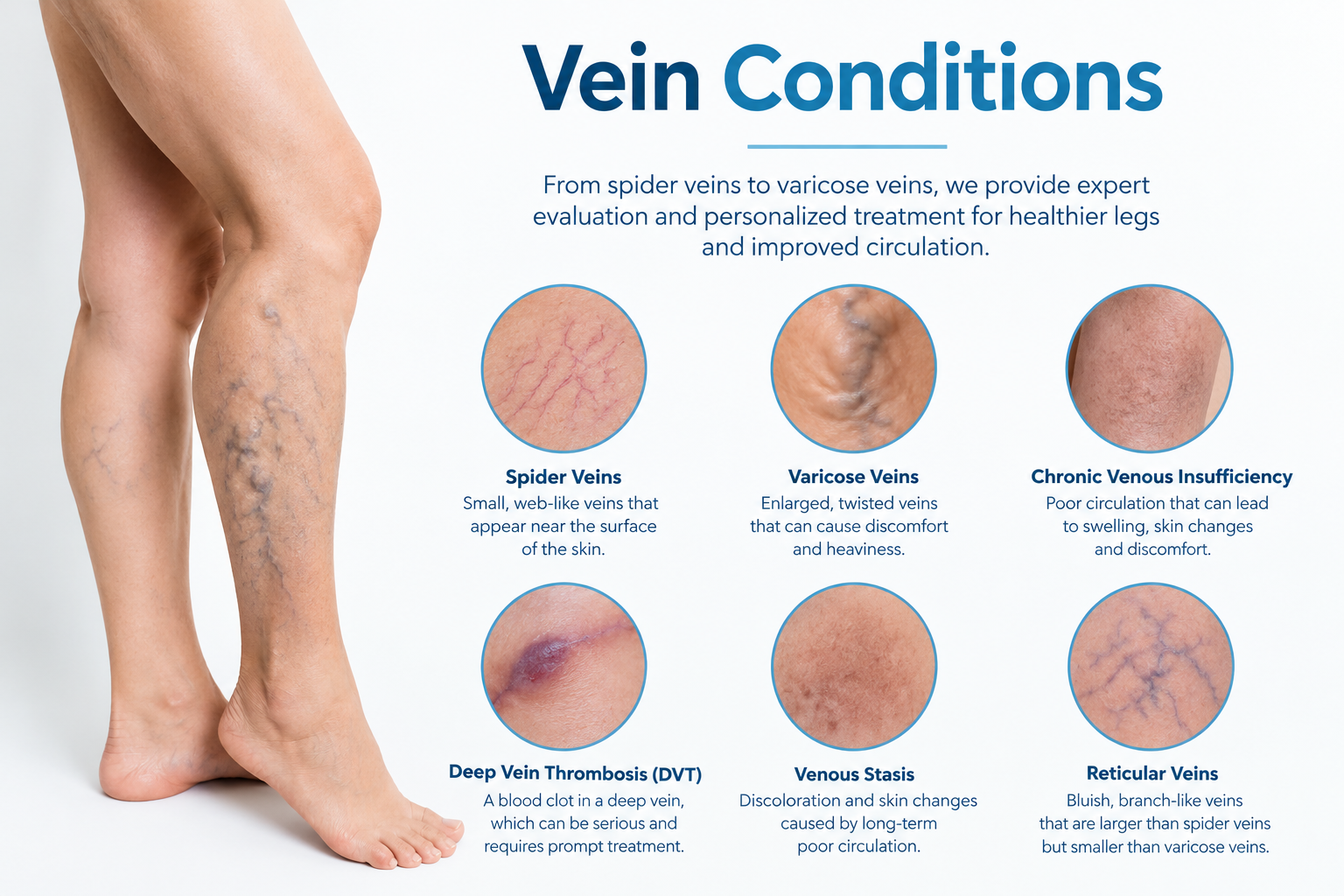
Varicose veins are enlarged, swollen, or twisted veins that commonly develop in the legs and feet. They often appear as raised, blue or purple veins just beneath the surface of the skin.
Your veins contain tiny, one-way valves that help blood flow back toward your heart. When these valves weaken or stop functioning properly, blood can flow backward and collect in the veins, increasing pressure and causing them to stretch and enlarge.
This condition is known as venous insufficiency, and it is one of the primary causes of varicose veins.
While some people experience only visible changes, others develop uncomfortable symptoms that can worsen over time.
What Causes Varicose Veins?
Varicose veins can affect anyone, but certain factors increase the likelihood of developing them.
Common risk factors include:
- Family history: Genetics can play a significant role in your likelihood of developing varicose veins.
- Age: Vein valves may weaken naturally over time.
- Prolonged standing or sitting: Spending long periods in one position can make it harder for blood to circulate efficiently through the legs.
- Pregnancy: Hormonal changes and increased blood volume can contribute to enlarged veins.
- Excess weight: Additional pressure on the veins can make it more difficult for blood to return to the heart.
- Hormonal influences: Varicose veins are more common in women, partly because of hormonal factors.
Understanding your individual risk factors can help determine whether preventive measures, lifestyle adjustments, or medical treatment may be appropriate.
What Are the Early Warning Signs of Varicose Veins?
Many people first notice visible veins on their legs. However, symptoms can begin before prominent veins appear.
Common signs and symptoms include:
- Bulging, twisted, or rope-like veins
- Aching, throbbing, or burning sensations in the legs
- Heavy or tired legs, especially toward the end of the day
- Swelling around the ankles and lower legs
- Itching or irritation near affected veins
- Muscle cramping, particularly at night
- Discomfort after prolonged standing or sitting
- Skin discoloration around the ankles
Symptoms may become more noticeable after a long workday or extended periods on your feet.
Persistent leg swelling, heaviness, or discomfort should not be ignored, particularly when symptoms begin affecting your daily routine.
Are Varicose Veins Dangerous?
Although many varicose veins are primarily a cosmetic concern, some can be associated with more serious complications.
When blood does not circulate properly through the legs, increased venous pressure may contribute to chronic swelling, skin inflammation, discoloration, and slow-healing wounds.
Potential complications include:
- Chronic venous insufficiency: Difficulty returning blood from the legs to the heart
- Venous stasis dermatitis: Skin irritation, inflammation, and discoloration caused by poor venous circulation
- Venous leg ulcers: Open sores, often near the ankles, that may be difficult to heal
- Superficial thrombophlebitis: Inflammation and clotting within a superficial vein
- Bleeding: Enlarged veins close to the skin may bleed after an injury
Not everyone with varicose veins develops complications. However, identifying underlying circulation problems early can help guide appropriate care.
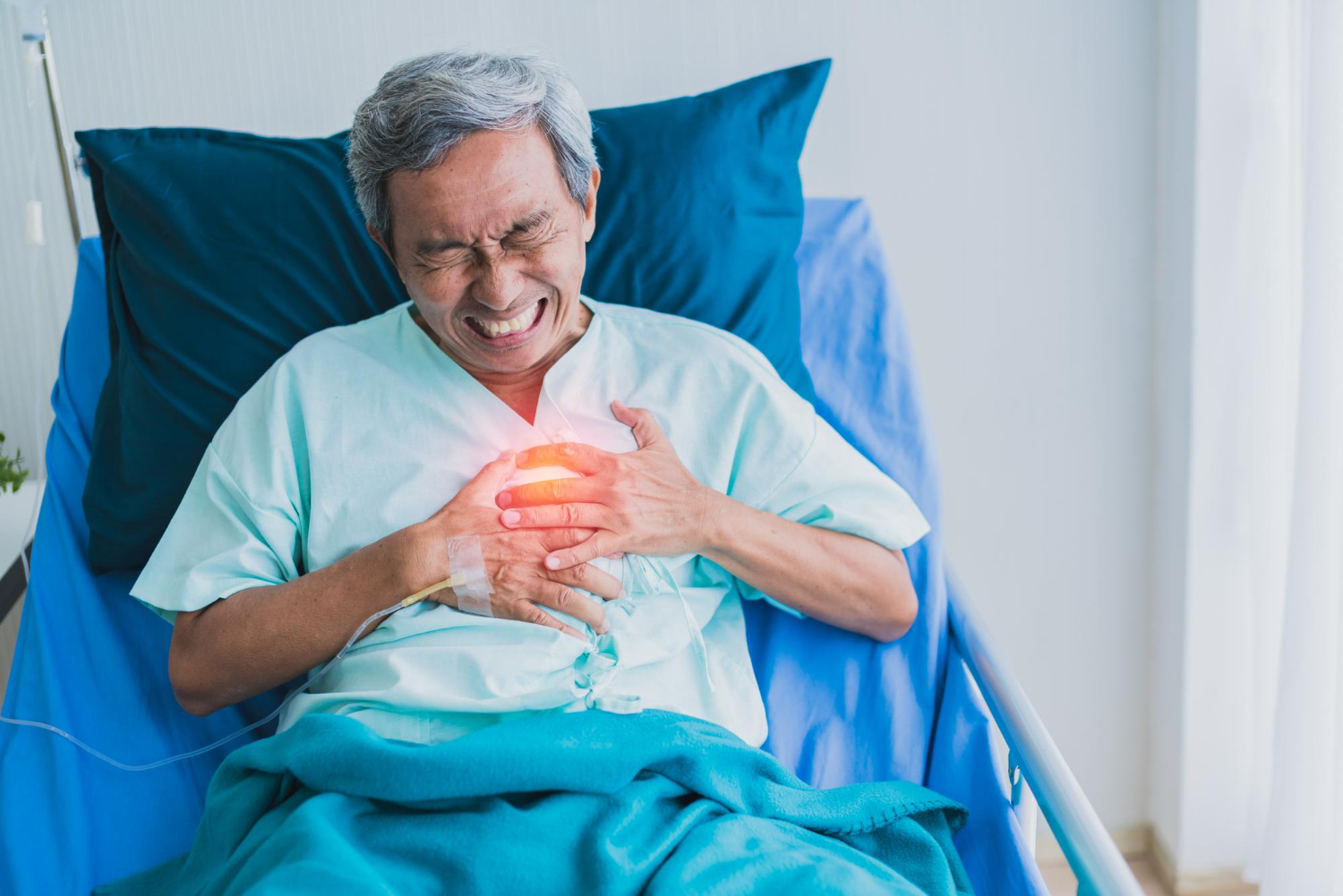
Sudden swelling in one leg, particularly with pain or redness, requires prompt medical evaluation. Chest pain or unexplained shortness of breath warrants emergency care.
Can Varicose Veins Go Away on Their Own?
One of the most common questions patients ask is whether varicose veins can disappear without medical treatment.
Unfortunately, established varicose veins generally do not go away on their own.
Lifestyle changes can help improve circulation, reduce discomfort, and potentially slow the progression of symptoms, but they typically cannot repair damaged vein valves.
Helpful habits include:
- Walking regularly to encourage healthy blood circulation
- Elevating your legs when resting
- Maintaining a healthy weight
- Avoiding prolonged periods of standing or sitting
- Wearing appropriately fitted compression stockings when recommended
- Staying physically active
While these measures can provide symptom relief, patients with persistent or worsening symptoms may benefit from an evaluation by a vein specialist.
What Is the Best Treatment for Varicose Veins?
There is no single treatment that works best for every patient. The most effective approach depends on the size and location of the affected veins, the severity of symptoms, and whether underlying venous reflux is present.
Modern varicose vein treatments may include several minimally invasive options.
Endovenous Laser Ablation
Endovenous laser treatment uses controlled thermal energy to close an unhealthy vein. Blood naturally redirects through healthier veins, helping reduce symptoms associated with venous reflux.
Radiofrequency Ablation
Radiofrequency ablation uses heat generated by radiofrequency energy to close malfunctioning veins. It is commonly performed as an outpatient procedure and generally allows patients to return to normal activities relatively quickly.
Sclerotherapy
Sclerotherapy involves injecting a specialized solution into targeted veins, causing them to close and gradually fade. It is commonly used for spider veins and certain smaller varicose veins.
Other Minimally Invasive Vein Treatments
Depending on the patient’s condition, additional options may include ultrasound-guided procedures, microphlebectomy, or other techniques designed to treat abnormal veins.
The right treatment begins with an accurate diagnosis. At Memphis Vein Center, Dr. Kishore Arcot can evaluate your symptoms and help determine an appropriate approach based on your individual needs.
How Are Varicose Veins Diagnosed?
A thorough vein evaluation typically begins with a discussion of your symptoms, medical history, and a physical examination.
When necessary, a venous duplex ultrasound may be used to examine blood flow and identify malfunctioning valves within the leg veins.
This noninvasive imaging test helps determine whether visible varicose veins are connected to deeper problems with venous circulation.
By identifying the underlying source of the problem, a vein specialist can recommend a treatment plan that addresses more than just the appearance of the veins.
When Should You See a Vein Specialist?
You do not have to wait until your varicose veins become severe to seek professional advice.
Consider scheduling a vein evaluation if you experience:
- Persistent leg pain, aching, or heaviness
- Frequent ankle or leg swelling
- Bulging veins that are becoming larger or more uncomfortable
- Skin discoloration or irritation near your ankles
- Symptoms that interfere with work, exercise, or daily activities
- A history of recurring vein problems
Early evaluation can help identify underlying venous disease and determine whether treatment is necessary.
Varicose Vein Treatment in Memphis, Tennessee
Living with painful or uncomfortable varicose veins can affect everything from your daily activities to your confidence.
At Memphis Vein Center, Dr. Kishore Arcot and the experienced care team are dedicated to helping patients understand their vein health and explore appropriate treatment options.
With a focus on comprehensive diagnosis, personalized care, and modern approaches to vein treatment, Memphis Vein Center helps patients take meaningful steps toward healthier, more comfortable legs.
Take the First Step Toward Healthier Legs
If you are experiencing bulging veins, leg swelling, aching, or other symptoms of venous insufficiency, professional evaluation can help you understand your options.
Schedule a consultation with Dr. Kishore Arcot at Memphis Vein Center in Memphis, TN. Call the office or request an appointment online to learn more about varicose vein treatment and take the next step toward improved vein health.