
Peripheral Arterial Intervention is a minimally invasive treatment approach for certain blockages or narrowings in arteries outside the heart. It is commonly considered for patients with peripheral artery disease affecting blood flow to the legs or other extremities.
The goal is to improve circulation and, when appropriate, reduce symptoms or support wound healing. Treatment is selected based on the location and severity of arterial disease and the patient’s overall health.
A small catheter is inserted into a blood vessel and carefully guided toward the narrowed or blocked artery. Imaging is used to identify the affected area and guide treatment.
Depending on the blockage, the physician may use balloon angioplasty, stenting, atherectomy, or other catheter-based techniques. These treatments can create a larger pathway for blood to reach tissues beyond the blockage. Follow-up testing may be recommended to monitor blood flow and the treated artery.
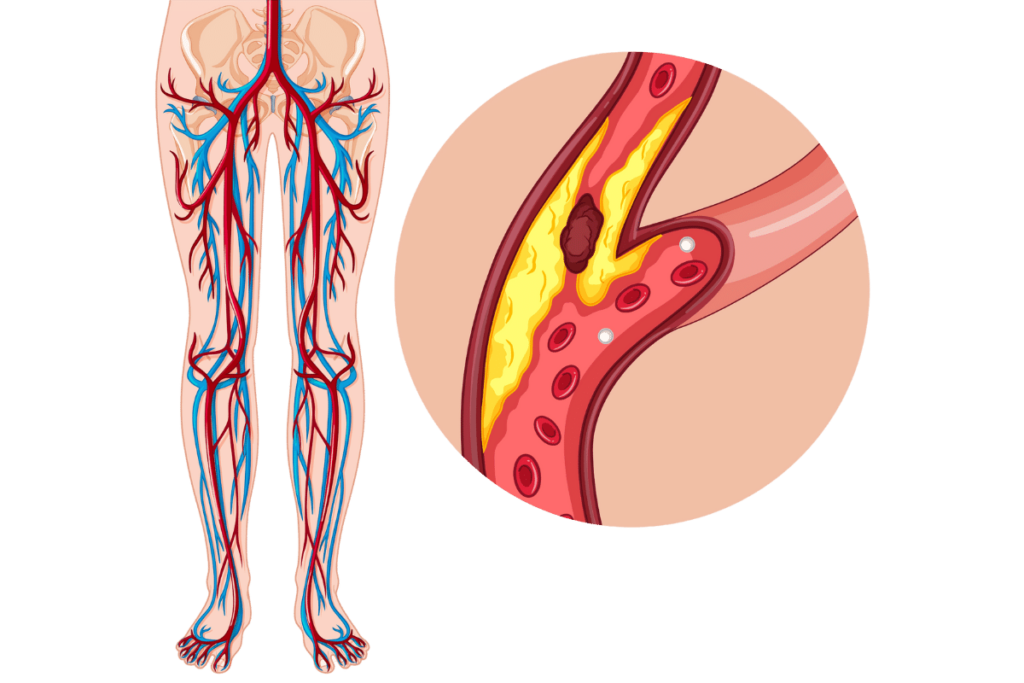
Peripheral arterial disease, or PAD, occurs when arteries supplying the limbs become narrowed or blocked. It is commonly caused by plaque buildup inside the arterial walls.
Reduced blood flow can cause leg pain with walking and, in advanced cases, wounds or tissue damage. A vascular evaluation can determine the severity and appropriate treatment.
It is a catheter-based procedure designed to improve blood flow through a narrowed or blocked peripheral artery. Depending on the condition, the physician may use angioplasty, stenting, atherectomy, or another technique. The procedure is performed through a small vascular access point. The specific treatment depends on the location and characteristics of the blockage.
Not every patient undergoing peripheral intervention requires a stent. Some blockages can be treated with balloon angioplasty or other techniques.
A stent may be recommended when additional support is needed to maintain the artery’s opening. Your physician will determine the appropriate approach based on imaging and procedural findings.
When leg pain is caused by inadequate arterial blood flow, improving circulation may help reduce symptoms. However, leg pain can have many different causes.
Your provider will first determine whether PAD is responsible for your symptoms. Treatment expectations depend on the severity and location of the arterial disease.
Your care team will monitor you after the procedure and provide instructions for activity and medications. Follow-up may include an examination, ankle-brachial index testing, or duplex ultrasound.
Lifestyle changes and medical management of cardiovascular risk factors remain important. Regular follow-up helps monitor circulation and identify any recurrent narrowing or new symptoms.