Coronary atherectomy is a catheter-based procedure used to treat certain coronary artery blockages caused by plaque buildup. It may be considered when plaque is particularly hard, calcified, or difficult to treat with balloon angioplasty alone.
A specialized catheter is used to modify or remove plaque from the artery. The goal is to improve the artery’s opening and facilitate blood flow or subsequent treatment.
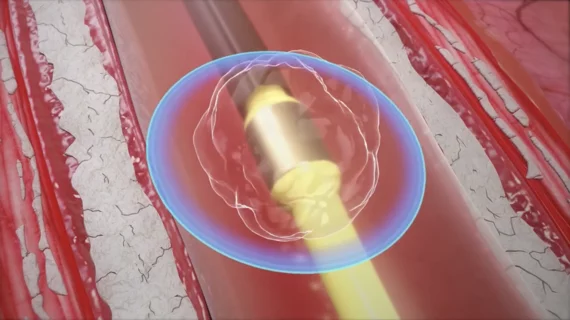
A catheter is guided through a blood vessel to the affected coronary artery. A specialized device at the end of the catheter is positioned near the plaque.
Depending on the device, the plaque may be cut, shaved, or modified to create a better passageway. The artery can then be treated with balloon angioplasty and, when appropriate, stenting. The exact technique depends on the location and characteristics of the blockage.

Atherectomy is used to address certain types of plaque buildup inside an artery. It can be particularly useful when plaque is heavily calcified or difficult to expand with a balloon.
The procedure may help prepare the artery for additional treatment. Your cardiologist determines whether atherectomy is appropriate based on imaging and other findings.
Certain atherectomy devices physically remove or modify plaque inside the artery. The exact mechanism depends on the specific device being used.
The objective is to improve the artery’s opening and facilitate blood flow. Additional treatment such as balloon angioplasty or stenting may follow.
No. Coronary atherectomy is performed through a catheter inserted into a blood vessel. The physician guides the catheter to the coronary artery using imaging. This makes it fundamentally different from open-heart bypass surgery. Your physician will explain the procedure and expected recovery before treatment.
Some plaque can be extremely hard or resistant to balloon expansion. In these situations, specialized plaque-modifying techniques may help prepare the artery.
Atherectomy can be one option in selected patients. The treatment choice depends on the location, severity, and characteristics of the blockage.
Your physician will determine whether additional treatment is needed during the same procedure. You will be monitored after the catheter procedure and receive individualized instructions.
Medications may be prescribed to reduce cardiovascular risks and prevent complications. Follow-up care is important to monitor your heart health and treatment response.