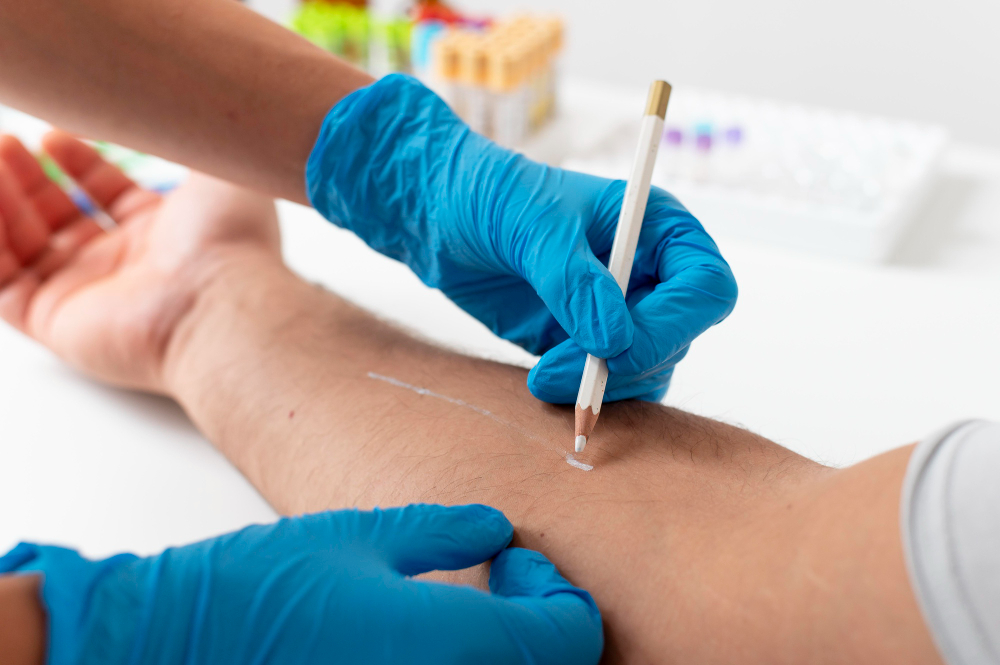
Your treatment begins with a consultation and evaluation of your symptoms and vascular health. Ultrasound and other imaging techniques may be used to identify abnormal veins or blood-flow problems. Depending on your condition, treatment may involve laser energy, radiofrequency energy, medical adhesive, injections, or catheter-based techniques. Many vein procedures are minimally invasive and use small access points rather than traditional surgical incisions. Your physician will explain the recommended procedure, expected recovery, and follow-up care based on your individual needs.
Vein procedures can address a variety of conditions affecting the venous system. Common concerns include varicose veins, venous reflux, spider veins, and certain cases of deep vein thrombosis.
Specialized procedures may also treat conditions such as May-Thurner Syndrome and pelvic congestion syndrome. Your physician will determine the underlying cause of your symptoms before recommending treatment.
The appropriate treatment depends on the location, size, and condition of the affected veins. Your provider may perform a physical examination and diagnostic ultrasound to evaluate blood flow.
Depending on the findings, options may include laser treatment, RF ablation, VenaSeal, sclerotherapy, or microphlebectomy. Your treatment plan will be personalized according to your condition, symptoms, and medical history.
Many modern vein procedures are minimally invasive and can be performed through very small access points. Depending on the procedure, treatment may involve a catheter, needle, laser, radiofrequency energy, or medical adhesive.
This approach can avoid the larger incisions associated with traditional vein surgery. Your physician will explain the specific technique, anesthesia, recovery, and activity recommendations for your procedure.
Recovery varies depending on the type of procedure and the veins being treated. Some minimally invasive treatments allow patients to return to normal activities relatively quickly.
Temporary bruising, tenderness, swelling, or other localized symptoms may occur during healing. Your provider will give you specific instructions regarding walking, exercise, compression, medications, and follow-up appointments.
Treatment may help address symptoms caused by problematic veins, including aching, heaviness, swelling, or discomfort. Some procedures can also reduce the visibility of certain varicose or spider veins.
Results vary depending on the underlying condition, treatment selected, and individual healing response. Your provider can discuss realistic expectations and the potential benefits of treatment during your consultation.
Treat varicose veins with minimally invasive laser treatment designed to close unhealthy veins and improve circulation.
Treat problematic varicose veins with injectable foam therapy designed to close unhealthy veins and improve blood flow.
Reduce spider and smaller varicose veins with targeted injections that close problematic veins and improve appearance.
Remove prominent surface varicose veins through tiny skin openings using a minimally invasive vein treatment procedure.
Treat venous reflux and varicose veins using controlled radiofrequency energy to close unhealthy veins safely.
Close problematic veins using medical adhesive therapy designed to treat venous reflux without thermal energy treatment.
Treat selected deep vein thrombosis cases using catheter-directed clot-dissolving therapy to restore healthy blood flow.
Improve blood flow affected by May-Thurner Syndrome using venous stenting to support compressed pelvic veins.
Treat abnormal pelvic veins using minimally invasive coiling designed to reduce abnormal blood flow and congestion.